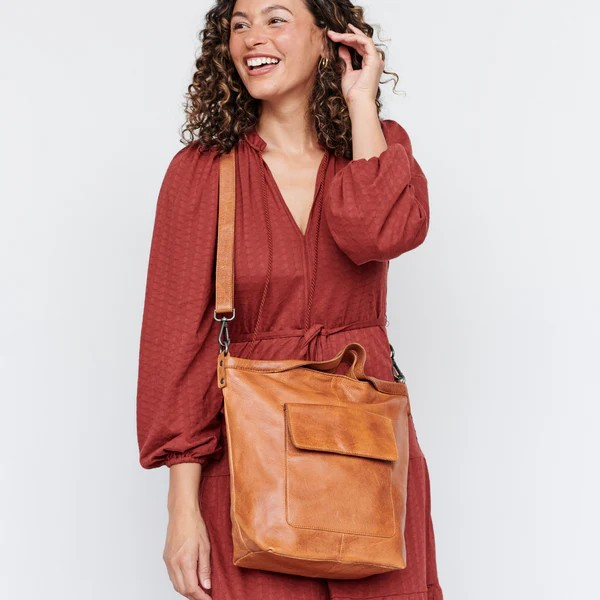
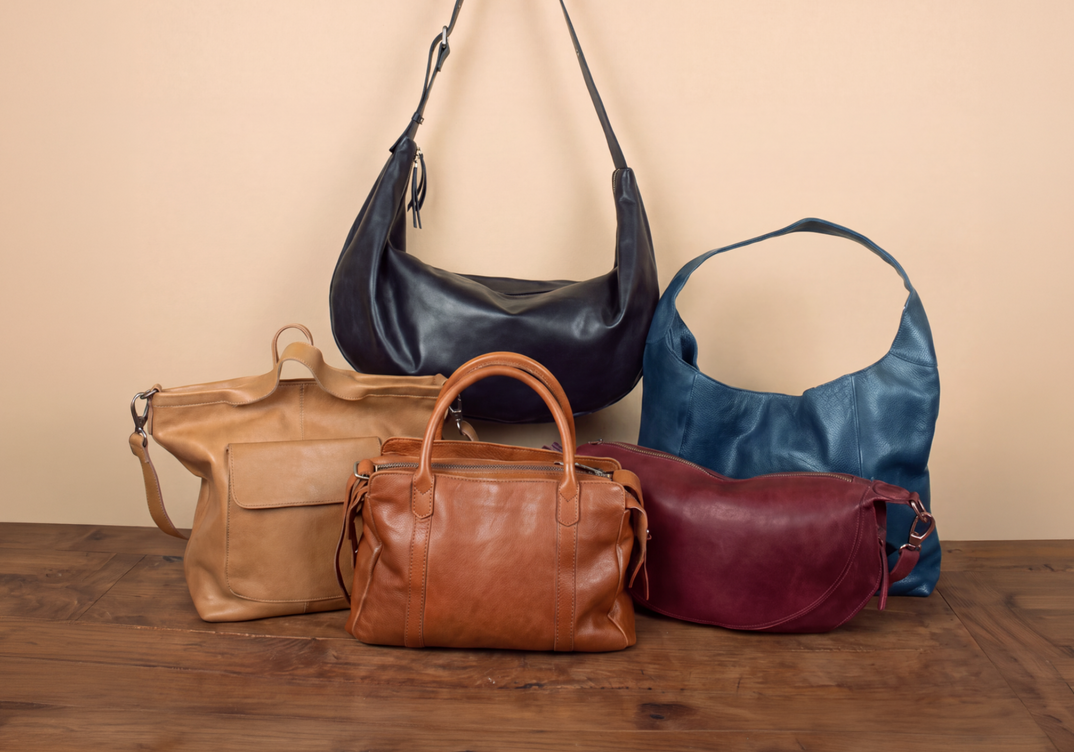
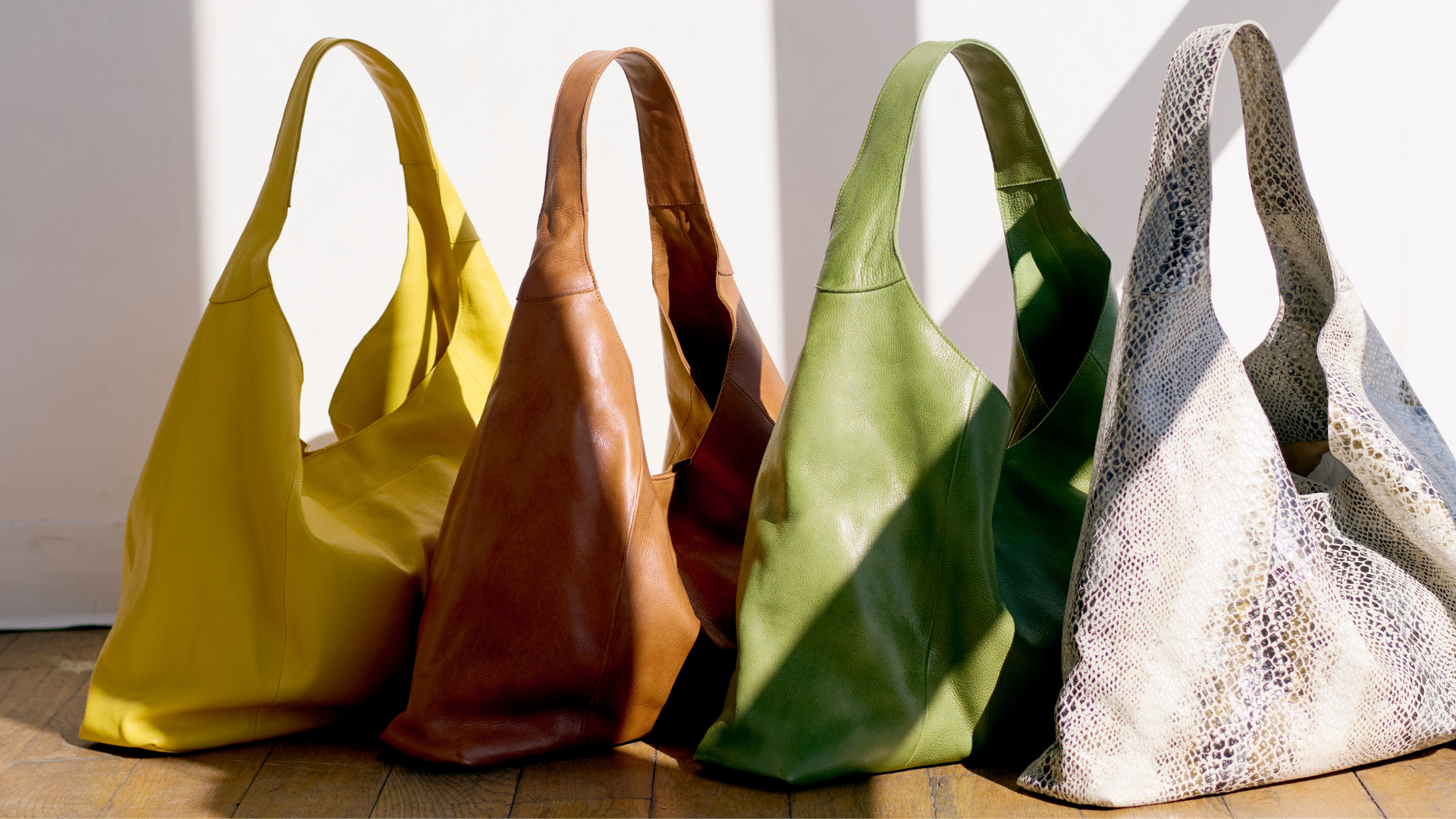
 Cognac
 Black
Black Oat
Oat Bone
Bone Brown
Brown Cafe
Cafe Mocha
Mocha Walnut
 Ruby
Ruby Wine
Wine Charcoal
 Slate
Slate Auburn
 Eggplant
 Oxblood
 Moss
Moss Burgundy
 Aubergine
 Tan
Tan Hazel
Hazel Blush
Blush Camel
Camel Red
Red Orange
 Natural
 Burnt Orange
 Poppy
Poppy Plum
Plum Rosa
Rosa White
White Grey
Grey Cobra
Cobra Denim
Denim Indigo
 Emerald
 Teal
Teal Turquoise
 Sky Blue
 Grass
Grass Green
Green Olive
Olive Yellow
 Lemon
Lemon Honey
Honey Chartreuse
 Mustard
 Lavender
 Mint
Mint Foil Burgundy
 Foil Cream
 Foil Cobra
 Foil Desert Trail
 Foil Black
 Foil Sea Glass
 Foil Turquoise
 Foil Sunflower
 Foil Brown
 Foil Chartreuse
 Foil Red
 Foil Berry
 Foil Purple
 Foil Steel
 Foil Teal
 Hair On Black
 Hair On Brown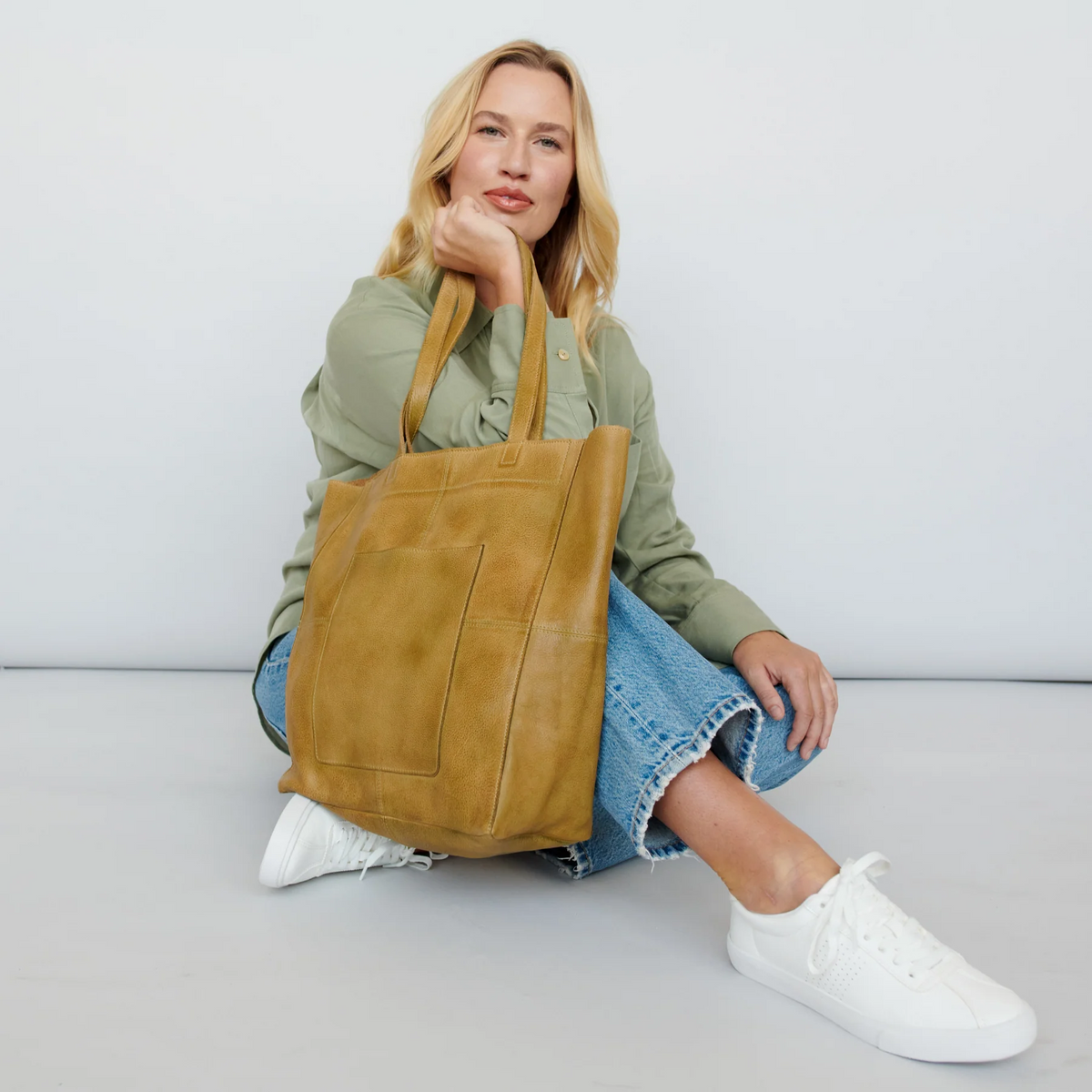
How to Soften Leather Safely: Step-by-Step Instructions
By Ben Schreiber, Chief Marketing Officer, Latico Leathers. The leather guidance on this page was confirmed in writing with our tannery in September 2026. Last updated 9 September 2026.
Leather, known for its style and durability, can sometimes lose its supple feel and become stiff over time. There are ways to bring the softness back, whether you are working with a soft leather shoulder bag, a jacket, or another cherished item. Here we will explore what actually causes stiff leather, what genuinely helps, and which popular softening methods do lasting damage.
The honest headline first: on good full-grain leather, stiffness is usually a stage rather than a fault, and the thing that fixes it is use. A new hide is stiff because the fibres are dense and tightly packed, which is the same reason it will still be here in fifteen years. Softness and durability come from the same property.
Our tannery has confirmed the guidance on this page for the full-grain leather we use. Where we say a method is not recommended, that is their assessment.
How to Soften Leather: What Works, and 3 Methods to Avoid
It is tempting to reach for a household item to restore a leather item such as a stiff jacket, a spacious leather tote, a pair of shoes or a leather purse. Most of those items will soften leather briefly and cost you the bag slowly, which is why the failure never gets connected back to the tip that caused it.
Note: Always check the manufacturer's care instructions for your specific item. Different leathers respond differently, and advice written for a coated or pigmented leather can be actively harmful on an uncoated hide.

Before anything else, clean the item:
- Use a soft, dry cloth or brush to dust off visible dirt and debris.
- If it is genuinely dirty, use a mild soap solution on a cloth rather than on the bag.
- Keep the cloth damp, never wet. Do not soak the leather.
- Wipe across a whole panel rather than a patch, so you do not leave a boundary line.
- Let it dry naturally and completely, away from heaters and radiators.
1. Carry It: the Method That Actually Works
This is not us avoiding the question. Full-grain softens from use, from the warmth of your hands and from the way it flexes where you hold it. A bag kept for good in a cupboard does not soften. Weeks of regular use produce a noticeable change and a few months make it feel like yours, and it happens fastest where you touch it most, which is why a handle softens and darkens before the body does. Carry your leather laptop tote to work every day and see it soften over time.
You can help it along safely by working the leather gently with your hands: roll it, flex the panels, open and close it more than you need to. You are doing manually what carrying it does anyway. It is slow, it is safe, and it cannot go wrong.
Best for: every kind of leather, at no risk and no cost.
2. Use a Leather Conditioner, but Only When It Is Actually Dry
Leather conditioners replace the fats that let collagen fibres slide past each other, which is why a conditioned hide drapes and a dry one creases into hard folds. But this is not routine maintenance. Our tannery confirms our leather is already properly nourished during tanning and finishing with conditioning fats that are sulphonated, so they penetrate correctly. Additional conditioner is not routinely necessary.
So condition only when the leather has genuinely gone dry, and no more than once or twice a year under normal use. Two free tests tell you whether it needs it: press a thumb into a flat panel and release, and healthy leather springs back while dry leather holds the dent for a moment; and flex a corner gently, where fine pale lines appearing in the fold mean the surface is starting to dry.
- Choose a conditioner formulated for finished full-grain leather, preferably a light formulation. Lanolin and beeswax are suitable in small amounts.
- Apply a small amount to a cloth, never directly to the bag.
- Work it in thin circles across a whole panel rather than the stiff patch, then move to the next panel.f
- Wait, then buff off whatever is still sitting on the surface after twenty minutes. If there is a lot to buff off, you used too much.
- Judge the result the next morning, not immediately. Leather absorbs slowly.
Do not over-apply. Too much conditioner leaves leather dark, greasy or soft, makes it attract dirt, and costs a structured bag the stiffness it needs to stand up. Some excess can be wiped away, but complete reversal is not always possible. Less, then wait, then judge.
Best for: full-grain and top-grain leather that has actually dried out. Suede and nubuck need a dedicated suede product instead, because a cream conditioner mats the nap flat.
3. Why Natural Oils Are the Wrong Choice
Coconut, jojoba, olive and avocado oil are widely recommended for softening leather, and we recommended them here. Our tannery advises against all of them. Because the hide is already treated with sulphonated conditioning fats during tanning, adding non-sulphonated household oils interferes with the leather: it can cause darkening, an oily surface, changes in handle, dirt attraction and deterioration over time. These oils are not formulated for this material and may oxidise or go rancid, and the smell arrives months later when it is far too late to do anything.
Linseed oil, sometimes suggested mixed with vinegar, is on the same list and for the same reason.
You will also see advice to leave the item in sunlight first to open the pores. Our tannery is direct about this: leather does not need sunlight to open its pores, and direct sun instead causes fading, uneven colour and heat-related drying. Skip that step regardless of what you are applying.
4. Why Applying Heat Backfires
Heat makes leather pliable while it is warm, which is why the advice persists and why it used to appear on this page. Our tannery is clear that it should be avoided: direct heat dries the leather, affects its oil and moisture balance, and can damage the finish, contributing to stiffness, cracking or deformation if excessive. A hairdryer is the version to avoid most firmly, at any distance, and radiators, car dashboards and sunny windowsills do the same thing more slowly.
Steam from a running shower is gentler because it adds moisture rather than only heat, but it is still not doing what people hope: it relaxes the hide briefly without replacing anything. If you use it, let the item dry completely and away from any heat source afterwards.
5. Why Alcohol and Vaseline Damage Leather
This pairing appears on a lot of leather-care sites, including previously on this one, and it is the method we would most like people to stop following. It does two kinds of harm in sequence.
Rubbing alcohol is a solvent. Our tannery confirms it can dissolve or disturb the leather's dye and finish and may leave a lighter or discoloured area. It also removes the fats you are trying to restore, so the leather is drier after the first step than before it.
Petroleum jelly then softens what is left, briefly. But it leaves an oily residue, remains in the leather surface and attracts dust and dirt, and it cannot be removed from an uncoated hide. The item ends up darker, tackier and dirtier than it began. Neither step is recoverable at home.
6. Water and Moisture: Use With Real Caution
Water can relax fibres, and it can also leave a tide line, stiffen the leather worse as it dries, and lift colour. The risk is rarely worth the small gain when time does the same job for nothing, so treat this as a last resort rather than a method.
- Mist very lightly. Do not spray until the surface is wet.
- Wipe away any excess immediately with a dry cloth, remembering that leather is not entirely waterproof.
- Let it air-dry naturally and completely, away from every heat source.
- Only once it is fully dry, consider whether it now genuinely needs conditioning.
Best for: almost nothing, honestly. Avoid soaking to prevent water stains, and never use it on a bag you are not prepared to mark.
Different Leather Types and How They Affect Stiffness
The type of leather plays a significant role in its stiffness and flexibility. Understanding these differences helps you choose a safe approach and keep the item's quality.
- Full-grain leather: Known for its durability and natural grain, it is often stiffer initially but becomes more pliable with use. Its thickness and lack of surface treatment make it naturally more robust, and also mean nothing sits between a solvent and the colour. Latico's bags are made with full-grain leather, and our milled leather bags are tumbled for an extra soft texture.
- Top-grain leather: Sanded to remove imperfections, it is softer and more flexible than full-grain. It can still become stiff over time, mainly if it dries out.
- Suede leather: Made from the underside of hides, suede is naturally soft and pliable. It loses flexibility if exposed to water or cared for improperly, and anything wet mats the nap flat.
- Nubuck leather: Similar to suede but made from the outer layer, nubuck is soft and more durable. It needs a dedicated suede or nubuck product, never a cream conditioner.
- Patent leather: Its glossy, coated surface stays relatively rigid and does not take conditioner in, because there is a film in the way.
- Bonded leather: Made from leather scraps and synthetic binders, bonded leather is less durable and can become brittle or stiff more quickly. Softening improves good leather; it does not rescue bad leather.
Causes of Leather Stiffness
Stiffness can usually be traced to three causes.
- Type of leather: Leather comes from various animals with different characteristics. Bovine leather is tough and durable, deerskin is softer and more pliable, and lambskin is the smoothest and most delicate.
- Environmental stressors: Very dry air pulls moisture out of a hide, which is why a winter with the heating on is harder on a bag than a damp autumn. Direct sunlight and high temperatures also stiffen leather.
- Age and usage: Over years, the fats and moisture in a hide deplete, costing flexibility. This is the one case where conditioning is the right answer.

How to Prevent Leather From Becoming Stiff
- Use it: the single most effective preventive measure. A bag in regular circulation stays supple on its own.
- Clean it when it needs it: this removes dirt and oils that accumulate over time. A gentle leather cleaner with a pH close to that of leather works best.
- Store it properly: use a breathable cotton dust bag or pillowcase rather than plastic, which traps moisture against the hide. Store leather items standing up and loosely stuffed in a cool, dry place, and do not squash a bag into a drawer, because leather takes a set and a hard fold becomes a crease you keep.
- Condition sparingly, not regularly: once or twice a year at most, and only when the leather is dry. If you only ever remember once, do it going into winter.
- Avoid direct sunlight and high heat: prolonged exposure fades, dries and eventually cracks leather.
Common Mistakes to Avoid When You Soften Leather
Over-conditioning is the most common and the least reversible. Oversaturating a hide leaves it heavy and tacky rather than supple, and the bag loses shape at the top edge where it needs a little stiffness to stand. There is no full reversal: wipe off what is on the surface with a dry cloth and then leave the bag alone for a few months.
Never dry leather with direct heat or place it near a heater, as this makes the material hard and brittle. Cracking is the fibres having broken rather than merely dried, and no product rebuilds them. Steer clear of harsh chemicals and abrasive materials, including rubbing alcohol, petroleum jelly, household oils, vinegar and baking soda.
Avoid using water on waterproof-treated leather, such as commuter leather backpacks or genuine leather laptop bags, as it may cause spotting.
Frequently Asked Questions
How do you soften leather quickly?
Honestly, you cannot, and wanting to is usually what causes the damage. Every fast method works by mobilising or replacing the fats in the hide with something that behaves worse than what was there. Carrying the bag, plus gentle flexing by hand, is the only approach that leaves the leather better than it started.
How do you make soft leather hard?
To stiffen soft leather, treat it with water, mould it into the desired shape and let it dry naturally. Applying wax can further stiffen and protect the surface.
Why does leather stiffen and lose its appeal over time?
Leather stiffens due to the type of leather, environmental conditions, age and usage. On a new bag, though, stiffness is a stage rather than a defect: it means the fibres are dense, which is the reason the bag will last.
How can I soften vegetable-tanned leather?
Use it, and use a conditioner suitable for vegetable-tanned leather if it has genuinely dried out. Do not use heat, which we previously suggested here: heat dries the hide and dry leather cracks.
Does oil-tanned leather respond well to natural oils?
Oil-tanned leather is a different material with different needs, and you should follow that maker's instructions. For our full-grain leather the answer is no: household oils such as coconut are not formulated for it and can darken it permanently, attract dirt and go rancid. Mink oil can darken leather noticeably, especially lighter colours, so our tannery would not recommend it unless it is tested on a hidden area first.
How can I prevent leather from stiffening?
Preventive measures include:
- Using the bag rather than saving it.
- Regular cleaning when it needs it.
- Proper storage in a cool, dry place, in something breathable.
- Conditioning once or twice a year at most, only when dry.
- Avoiding direct sunlight and high heat.
What are the common mistakes to avoid in leather care?
Over-conditioning, applying heat, and using household oils, alcohol, petroleum jelly, vinegar or baking soda. All of them work in the short term and fail slowly, which is why the damage is rarely connected back to the advice that caused it. Stick to products made for leather.