
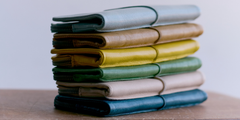
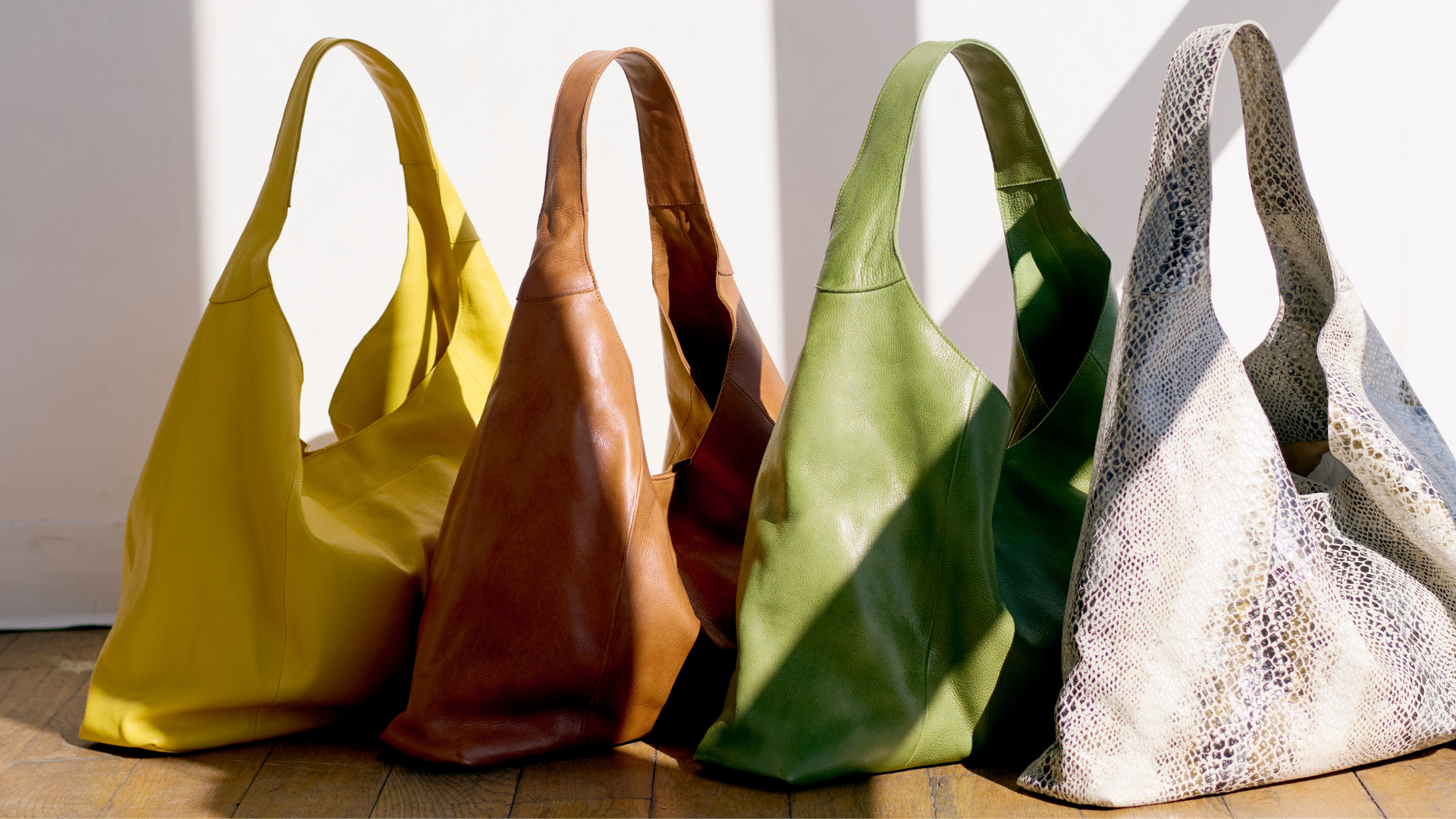
 Cognac
 Black
Black Oat
Oat Bone
Bone Brown
Brown Cafe
Cafe Mocha
Mocha Walnut
 Ruby
Ruby Wine
Wine Charcoal
 Slate
Slate Auburn
 Eggplant
 Oxblood
 Moss
Moss Burgundy
 Aubergine
 Tan
Tan Hazel
Hazel Blush
Blush Camel
Camel Red
Red Orange
 Natural
 Burnt Orange
 Poppy
Poppy Plum
Plum Rosa
Rosa White
White Grey
Grey Cobra
Cobra Denim
Denim Indigo
 Emerald
 Teal
Teal Turquoise
 Sky Blue
 Grass
Grass Green
Green Olive
Olive Yellow
 Lemon
Lemon Honey
Honey Chartreuse
 Mustard
 Lavender
 Mint
Mint Foil Burgundy
 Foil Cream
 Foil Cobra
 Foil Desert Trail
 Foil Black
 Foil Sea Glass
 Foil Turquoise
 Foil Sunflower
 Foil Brown
 Foil Chartreuse
 Foil Red
 Foil Berry
 Foil Purple
 Foil Steel
 Foil Teal
 Hair On Black
 Hair On Brown
How to Get Oil Stains Out of Leather: 5 Household Remedies
By Ben Schreiber, Chief Marketing Officer, Latico Leathers. The leather guidance on this page was confirmed in writing with our tannery in September 2026. Last updated 9 September 2026.
Oil stains on your beloved leather items can be an absolute nightmare. They are stubborn and unsightly and can ruin the look of your favourite leather purse or messenger bag. But do not despair.
The good news is that the correct method is unglamorous, cheap and works on our own full-grain leather: blot, then cover it in cornstarch and walk away until tomorrow. That is genuinely most of the answer. The part people get wrong is what they reach for next, because almost every instinct is to add something wet or something oily, and both of those make it worse.
Our tannery has confirmed the guidance on this page for the full-grain leather we use. Where we say a method is not recommended, that is their assessment rather than caution on our part.

Oil Stains on Leather: Do's & Don'ts
When it comes to leather care, knowing what not to do matters more than technique. Almost every ruined bag we have seen was ruined by the second or third attempt rather than by the spill.
Don't Put Off Handling Stains
Oil wicks into the fibre and spreads outward from where it landed, so the clock matters more than the method does. Acting in the first five minutes changes the outcome more than anything you could buy.
Do Know Your Type of Leather
Full-grain, aniline and suede are uncoated, so there is no finish between a cleaner and the colour of the item. These need gentle, dry methods: sprinkle cornstarch or talcum powder and let it sit overnight. Pigmented and PU leather have a coating that takes the hit, so they tolerate diluted dish soap. Advice written for a coated leather can be actively harmful on an uncoated hide, which is why so much general leather advice fails.
Don't Rub the Stain Aggressively
Use a clean, dry microfibre cloth and press straight down rather than wiping. Blot from the outer edge of the mark inward toward the centre, because wiping outward is exactly how a small spot becomes a large one. Change to a clean part of the cloth each time, or you are simply putting the oil back.
Do Use Absorbent Materials
Dry powders work by absorption rather than by chemistry, which is why they are safe: cornstarch, talcum powder and dry baking soda pull oil out and contain nothing that can strip colour or dry the hide. Apply a thick layer, not a dusting, so you cannot see the leather through it. Leave it overnight, or longer if the mark was large, then brush it off along the grain with something soft. Two or three rounds is normal and is not a sign you are doing it wrong.
Note the distinction: dry powder left to absorb is safe. Mixing baking soda into a paste and rubbing it across the surface is not, because baking soda is alkaline and abrasive and rubbing it can damage the finish and leave a visibly lighter, roughened patch.
Don't Use Harsh Chemicals, Oils or Heat
Avoid bleach and ammonia entirely. Avoid rubbing alcohol on any uncoated leather, as it can dissolve or disturb the dye and leave a lighter area. And avoid heat of any kind: no hairdryer, no radiator, no sunny windowsill. Direct heat dries the hide and affects its oil and moisture balance, and dry leather cracks. Cracking is permanent in a way that a dark patch is not.
Most importantly for this particular problem, do not add oil to an oil stain. Penetrating sprays such as WD-40, linseed oil, and household oils like coconut or olive all put oil into leather that is already holding oil it cannot get rid of. Our tannery confirms these are not formulated for this leather and can cause darkening, an oily surface, dirt attraction and deterioration, and may go rancid over time.
Do Consult a Professional for Tough Stains
For severe or old stains that home methods cannot remove, professional leather cleaning services offer advanced treatments and leather restoration techniques. This is especially true for large fresh spills, anything old and set, and light coloured leather where the contrast is unforgiving. We do not offer cleaning or repair ourselves, so this is an independent recommendation rather than a route back to us.

5 Household Remedies for Oil Stains
The first three below are safe on our own full-grain leather and are what we would do ourselves. The last two need more care and should not be used on an uncoated hide.
Cornstarch Application
This is the method we recommend. Begin by blotting the stain with a clean dry cloth to lift whatever has not soaked in. Then sprinkle cornstarch over the mark, thickly enough that the leather is fully covered. Leave it overnight to give it time to draw the oil out. Dust it off the following day with a soft brush, working along the grain rather than against it. Look at it in daylight, and if a shadow remains, repeat the whole thing.
Talcum Powder Method
Talcum powder works the same way as cornstarch. Sprinkle a generous amount over the spot, ensuring thorough coverage, and let it sit overnight so it absorbs the oil. Brush it off with a soft-bristled brush. Use whichever of the two you already have; there is no meaningful difference.
Baking Soda (Dry, as a Powder)
Dry baking soda does the same absorbent job if that is what is in the cupboard. Sprinkle a thick layer over the stain, let it sit overnight, then brush the powder off gently and check for anything remaining. Repeat if necessary. Do not wet it into a paste and do not rub it in.
Dish Soap & Warm Water
This is reasonable advice for the wrong material. On a coated or pigmented leather, where a finish sits between you and the hide, a little soapy water is fine because you are cleaning the finish. On full-grain there is no finish, so you are putting water directly into something absorbent, and water leaves its own mark with a tide line at the edge. You can trade an oil spot for a water spot, which is not a trade worth making. If you do use it on a coated item, combine a little mild dish soap with warm water, apply the suds with a microfibre cloth, then wipe off with a clean damp cloth and blot dry.
Specialized Cleaning Solutions
Saddle soap: dampen a soft cloth, apply a small amount, and work it gently into a lather on the affected area, following the grain. Wipe the soap off with a clean damp cloth and leave it to dry naturally, away from heat.
White vinegar: not recommended. We previously suggested a vinegar and water mix here, and a vinegar-and-linseed-oil mixture as a conditioning step afterwards. Our tannery does not recommend either. Vinegar is acidic and may affect the finish, colour or surface, and it is not a suitable general cleaner. Linseed oil is one of the non-sulphonated oils that interferes with leather already conditioned at the tannery, and it hardens as it cures, so it darkens over time and can go tacky. If the panel needs conditioning after cleaning, use a conditioner formulated for finished full-grain leather instead, and only once the area is completely dry.
Removing Oil From Different Types of Leather
Full-Grain Leather
Full-grain is the outer layer of the hide with the surface left intact, unsanded and uncoated, which is what lets it keep its own natural oils and take on a patina. The cost of that is that it drinks. Blot immediately from the outside edge inward, then cornstarch overnight, and repeat rather than escalating. Never add oil and never add heat.
Suede
Suede is the underside of the hide, so it is a raised nap rather than a smooth surface, and anything wet mats it flat. Dry methods only: blot, cornstarch, and a suede brush to lift the nap afterwards. Suede also has a much shorter window before a mark sets, so for a piece you care about, a professional sooner rather than later is the right call.
Faux Leather
Faux leather is resilient and tolerates more robust cleaning. Dampen a cloth with warm water and dish soap and work it gently onto the stain. Because there is a synthetic surface rather than a hide, it does not have the absorbency problem that makes solvents so risky on full-grain.
Top-Grain and Bonded Leather
Top-grain has been sanded and finished, and bonded leather is scraps with a synthetic binder. Both take a more sedate approach: blot the spill with a dry cloth, dust baking soda or cornstarch onto the spot and let it sit for several hours, then wipe the powder away. Always spot-test any new product somewhere that never shows.
What if the Stain Does Not Come All the Way Out?
On full-grain, this is the realistic outcome and it is not the disaster it sounds like. Oil darkens the spot where it sat, and on this kind of leather that darkening is the same process already happening everywhere else on the bag, just faster in one place. Your hands do it at the handle. The sun does it on the side you carry outward. The mark stops reading as a stain once the rest of the leather catches up with it, and that happens faster than people expect.
What we will not tell you is that it will go back to factory condition, because it will not, and anyone promising that is selling something.
Frequently Asked Questions
How can I degrease a leather couch?
Start dry: blot with a clean cloth, then apply cornstarch or talcum powder thickly and leave it overnight before brushing it off. We previously recommended a vinegar and water mix here and no longer do, because vinegar is acidic and may affect the finish, colour or surface. If the couch is a coated or pigmented leather, a little mild soap on a damp cloth is a reasonable next step. If it is uncoated, stop after the powder and call a specialist.
Will dish soap remove oil from leather?
On coated or pigmented leather, yes: a teaspoon of mild dish soap in a cup of water applied with a clean cloth can help. On uncoated full-grain, it is a poor trade, because leather is not waterproof and water leaves its own tide line. Use the dry powder method instead.
How to remove oil stains from leather bags?
Use a dry, clean cloth to blot off the oil, grease or sunscreen, pressing rather than wiping. Then apply a generous layer of cornstarch or baking soda, pat it down, and leave it overnight. Repeat two or three times rather than escalating to anything stronger.
Can I use WD-40 or oil to lift an oil stain?
No, and this is the single piece of advice we would most like to see disappear. It is a petroleum product, and you would be putting oil into leather that is already holding oil it cannot get rid of. On an uncoated hide you will most likely end up with a darker patch and a ring wider than the mark you started with.