


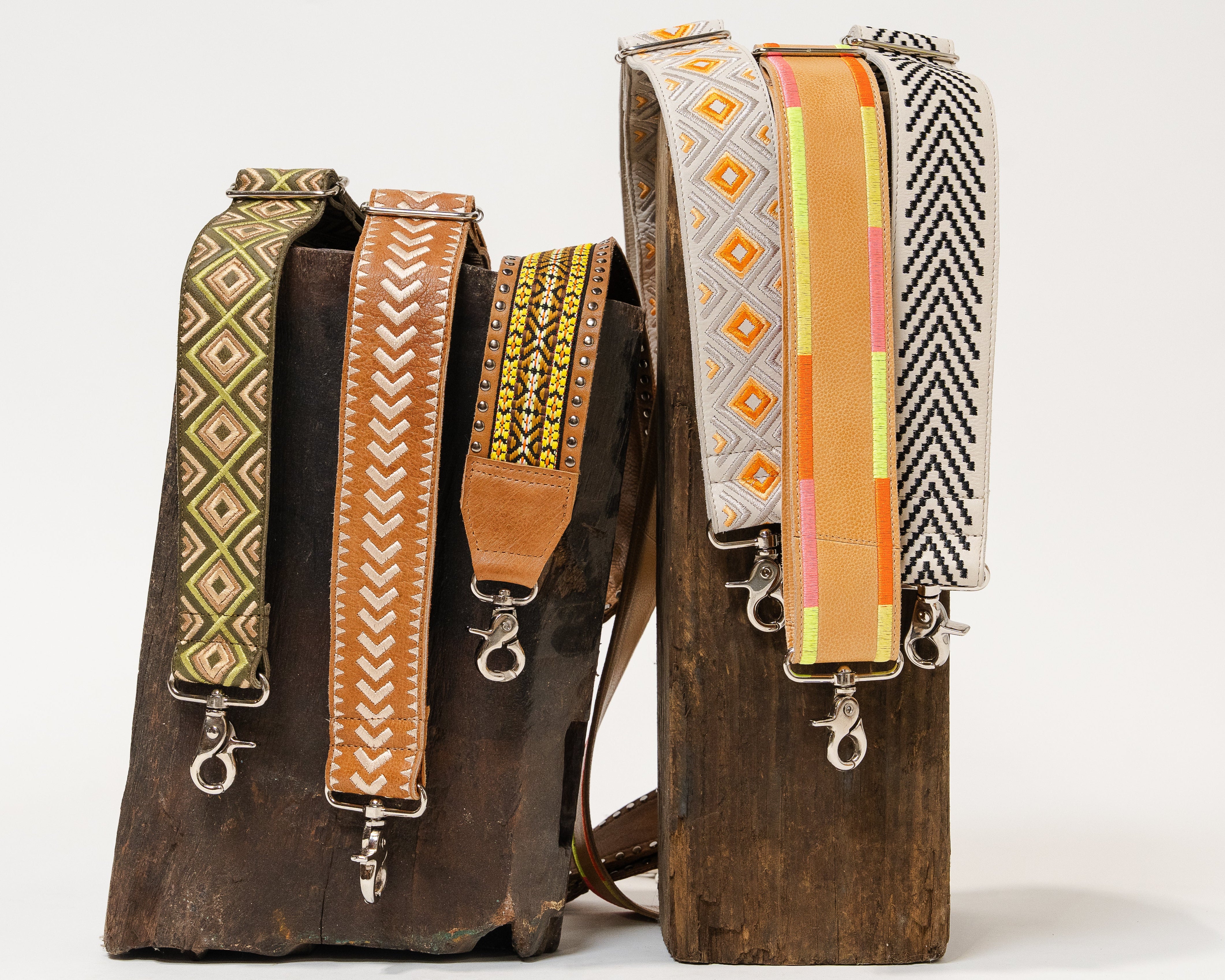
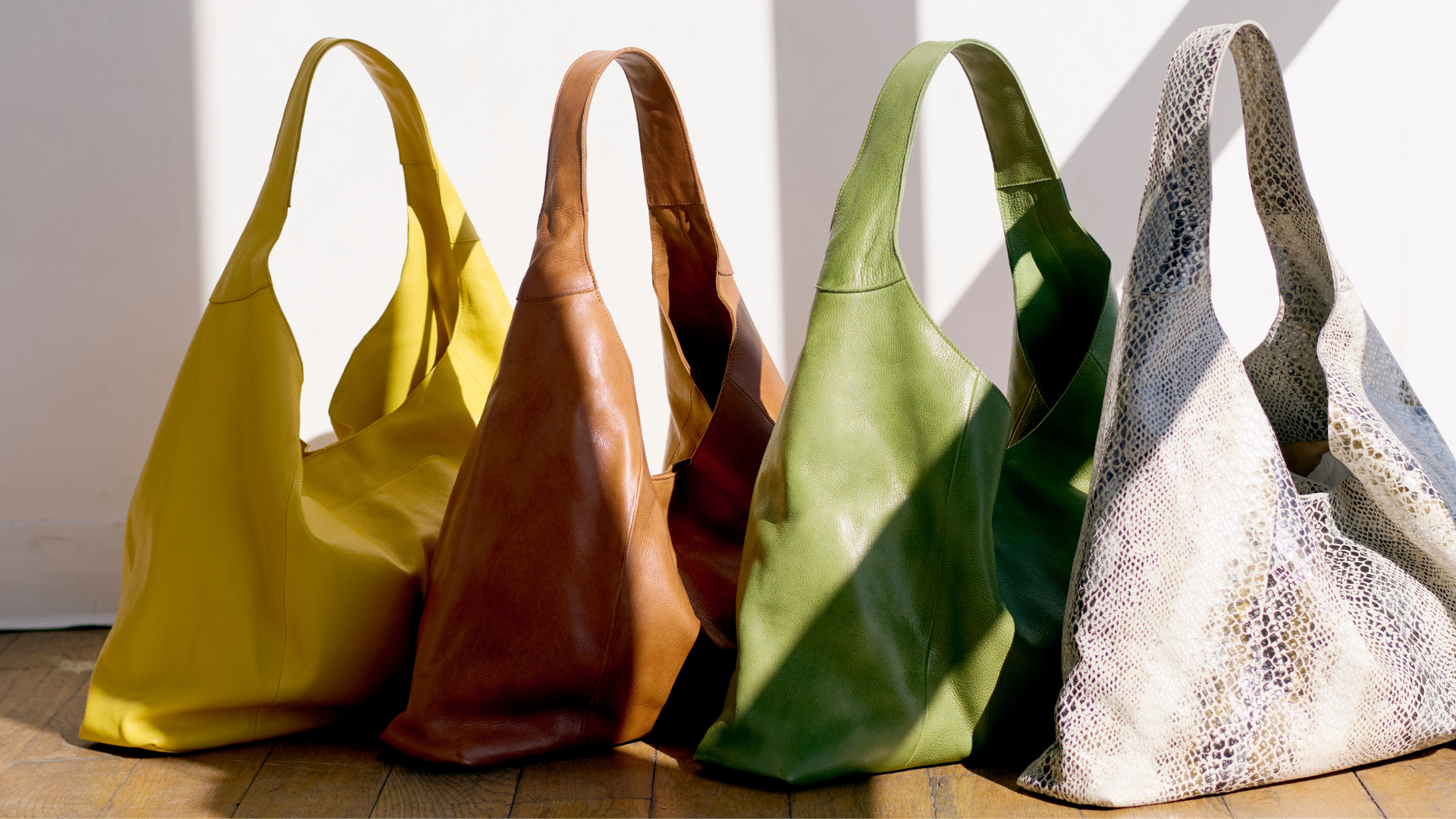
 Cognac
 Black
Black Oat
Oat Brown
Brown Cafe
Cafe Walnut
 Eggplant
 Oxblood
 Burgundy
 Aubergine
 Tan
Tan Hazel
Hazel Blush
Blush Camel
Camel Red
Red Orange
 Natural
 Burnt Orange
 Poppy
Poppy Plum
Plum Rosa
Rosa White
White Grey
Grey Cobra
Cobra Denim
Denim Indigo
 Emerald
 Teal
Teal Turquoise
 Sky Blue
 Grass
Grass Green
Green Olive
Olive Yellow
 Lemon
Lemon Honey
Honey Chartreuse
 Mustard
 Lavender
 Mint
Mint Foil Burgundy
 Foil Cream
 Foil Cobra
 Foil Desert Trail
 Foil Black
 Foil Sea Glass
 Foil Turquoise
 Foil Sunflower
 Foil Brown
 Foil Chartreuse
 Foil Red
 Foil Berry
 Foil Purple
 Foil Steel
 Foil Teal
 Hair On Black
 Hair On Brown
How to Remove Gum From Leather
By Ben Schreiber, Chief Marketing Officer, Latico Leathers. The leather guidance on this page was confirmed in writing with our tannery in September 2026. Last updated 9 September 2026.
Have you ever had gum stuck on your favorite leather purse or wallet? It is frustrating, but with the proper steps you can safely remove gum from leather without damaging it. As experts in producing and handling high-quality leather goods, we will walk you through what actually works, and just as importantly, which popular methods will cost you the bag.
How to Remove Gum from Leather: 4 Methods That Work and 3 to Avoid
The whole method comes down to one idea: change the gum, do not attack it. Cold makes gum brittle so it lifts away in one piece. Heat and solvents make it spread, and that is how a small lump becomes a wide smear or a permanent mark.
Our tannery has confirmed the guidance below for the full-grain leather we use. Where we say something is not recommended, that is their assessment, not a guess.

1. Remove Gum with Ice Cubes
This is the method we recommend. Freeze the gum by placing ice cubes in a sealed plastic bag and pressing it onto the gum for fifteen to twenty minutes until it hardens. Keep the ice inside the bag rather than against the leather, because meltwater leaves its own mark. If you are dealing with a smaller item like a quality leather fanny pack, place it in the freezer inside a pillowcase for about an hour to achieve the same effect.
The gum is ready when it stops being tacky and starts being brittle. Touch it with a fingernail: if it gives, it needs longer; if it feels hard and clicks slightly, it is ready. Rushing this stage is the main reason people end up with a smear.
Then lift, do not scrape. Get an edge up with something that has no cutting edge at all, such as the rim of a plastic card or a wooden lolly stick, and peel the lump away in one piece. Frozen gum wants to come off whole. If some is left behind, re-chill and go again. Two or three gentle rounds are far safer than one determined one.
2. Why Baking Soda Paste Is Not Safe on Leather
You will see baking soda paste recommended for this, and we used to recommend it here. Our tannery advises against it: baking soda is alkaline and abrasive, and rubbing it across the surface can damage the finish and leave a visibly lighter, roughened patch where you worked. That patch is harder to put right than the gum was. Use the cold method above instead.
3. Why a Hair Dryer Makes Gum Worse
Heat is the opposite of what you want, and it does harm twice over. Warm gum stretches, so heating it drags it into the grain and spreads a small lump into a wide smear. And direct heat dries the hide, affects its oil and moisture balance, and can damage the finish, contributing to stiffness, cracking or deformation. There is no version of gum removal that involves a hairdryer, a radiator or a sunny windowsill.
4. Why Peanut Butter Trades Gum for an Oil Stain
Peanut butter and cooking oils do break gum down, which is why the tip persists. The problem is what you are left with. During tanning, our leather is already treated with conditioning fats that are sulphonated so they penetrate properly. Household oils are not formulated for this leather: they sit in the surface, attract dirt, can darken the hide permanently and may go rancid over time. You would be trading a gum lump for an oil stain, which on full-grain is the worse problem.
5. Remove Gum with Tape
For light residue, press a strip of packing tape firmly onto the gum and pull it away slowly. You may need to repeat with fresh pieces until all the gum is gone. This works best alongside the cold method rather than instead of it.
6. Remove Gum with Dish Soap
For the shadow left behind, start by lifting off as much gum as possible with a plastic card, never anything with an edge. Then dampen a microfiber cloth with a mild soap solution and wipe the whole panel rather than the spot, because a clean patch surrounded by an untouched one shows more than the mark did. Use a damp cloth, never a wet one, then let the leather dry completely away from any heat source.
7. Remove Gum with Saddle Soap
Saddle soap is gentle on leather and an effective way to clean the area after gum removal. Apply it to a damp cloth, work it over the panel, and wipe away any residue. Let it dry fully before deciding whether anything else is needed.
Should you condition the leather afterwards?
Only if the panel has actually gone dry. Our tannery confirms the hide is already properly nourished during tanning and finishing, so conditioning is not a routine step, and over-conditioning can leave leather dark, greasy or soft and make it attract dirt. If it does need it, once or twice a year is sufficient under normal use, using a conditioner formulated for finished full-grain leather. Avoid conditioning simply because you have cleaned something.
For stubborn marks that home methods cannot fully tackle, professional leather cleaning services offer specialized treatments and advanced leather restoration techniques. We do not offer cleaning or repair ourselves, so that recommendation is an independent one.
How to Remove Chewing Gum From Different Types of Leather
- Full-Grain Leather: Full-grain leather is uncoated, so nothing sits between a solvent and the colour of your bag. The cold-then-lift method is close to reliable here. Use a plastic card rather than anything metal, because a gouge in full-grain does not heal.
- Top-Grain Leather: Top-grain leather has a finish that takes some of the hit, but the method is the same. Chill it properly, lift rather than scrape, and clean the whole panel afterwards.
- Suede and Nubuck: the raised nap grabs the gum and freezing releases it less cleanly, because there is nothing smooth for it to let go of. Freeze it, lift what you can, then use a suede brush and a suede eraser, and expect a partial result. Keep moisture away entirely, as anything wet mats the nap flat.
- Patent Leather: the glossy finish of patent leather means gum lifts easily with the tape or ice method. Follow up with a leather cleaner to remove any leftover residue.

Common Mistakes to Avoid When Removing Gum from Leather
Knowing what not to do matters more here than knowing the method, because gum itself rarely damages a bag. The removal attempt does. Here are the mistakes to avoid to keep your sleek leather wallet, handbag or apparel looking its best.
Applying Heat
This is the one we most want to correct. Heat spreads the gum and dries the hide, and dry leather cracks. Cracking is the fibres having broken rather than merely dried, and no product rebuilds them. No hairdryer, at any distance or setting.
Using Sharp Tools
Never use anything with an edge: no knife, no metal spatula, no scissors, and not a butter knife either, which we previously suggested here and no longer recommend. A butter knife has enough of an edge to gouge an uncoated hide. Use a plastic card, a wooden lolly stick, or the pad of your thumb. If the tool could mark a bar of soap, it can mark your bag.
Applying Harsh Chemicals
Acetone and industrial cleaners will take gum off almost anything, and they will take the colour and the surface of an uncoated hide with it. Rubbing alcohol carries the same risk, as it can dissolve or disturb the dye and leave a lighter area. Stick to a mild soap solution or a cleaner made for leather.
Rubbing Instead of Lifting
Rubbing aggressively spreads gum further into the surface and makes it harder to remove. Lift it in one piece while it is cold, and blot rather than scrub when you clean up afterwards.
Frequently Asked Questions
What is the best method for getting gum off leather?
Freezing the gum with ice and then lifting it away in one piece with a plastic card. It is the only method we recommend, and it is close to reliable on smooth full-grain. Clean the panel afterwards if a shadow remains.
Can I use peanut butter to remove gum from leather?
We do not recommend it. The oil does break the gum down, but household oils are not formulated for this leather and can leave an oily residue, attract dirt and darken the hide permanently. You would be swapping a gum lump for an oil stain.
Does it matter how old the gum is?
Less than you would think, which is unusual for leather problems. Gum sits on top of the hide and grips rather than soaking in. Old gum has usually hardened and collected dirt, which makes it easier to lift in one piece. Fresh warm gum is the difficult version.
How do I prevent gum from sticking to leather?
Be deliberate about where you set a bag down, since most gum arrives from a seat or a table edge rather than anything dramatic. Store bags in a cotton dust bag or a breathable pillowcase rather than plastic, which traps moisture against the hide.


